
Symmetric Tonic Neck Reflex (STNR)
The Symmetric Tonic Neck Reflex (STNR) is a normal developmental reflex that helps babies learn to coordinate their upper and lower body. If this reflex doesn’t mature—often due to limited crawling—it can interfere with posture, coordination, and a child’s ability to sit comfortably and focus.
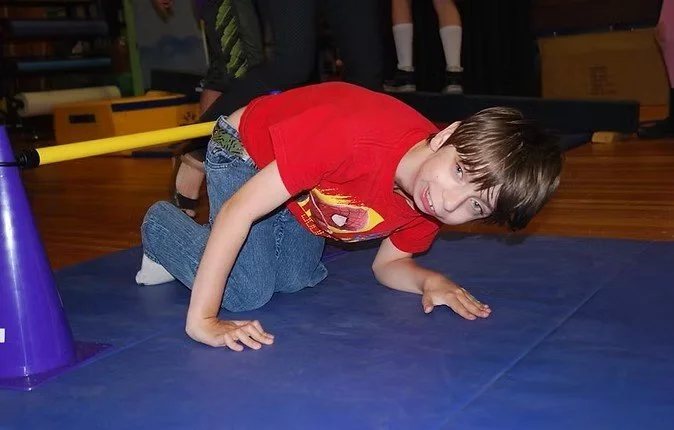
Understanding the Symmetric Tonic Neck Reflex (STNR)
The STNR plays an important role in early development, but when it remains immature, it can greatly affect coordination and posture. Children with an unintegrated STNR often struggle to sit upright, stay still, or remain comfortable in a traditional classroom position. These students may slide down, stand up to work, or shift constantly—not because they are lazy or inattentive, but because their bodies are compensating for an underlying reflex issue. An immature STNR can also make writing physically exhausting, turning simple tasks into major challenges.
STNR vs ADHD
Many behaviors associated with an immature STNR—such as fidgeting, restlessness, or difficulty sitting still—can look like ADHD. Because of this, some children are mistakenly labeled as inattentive or disruptive when the root cause is actually neurological and developmental. Providing the right movement activities helps integrate the STNR, improving posture, focus, and comfort during learning.
Postural Behaviors of STNR Children
Children with an immature STNR often seek positions that feel more comfortable to their bodies: standing to work, slouching with legs stretched out, “foot sitting,” or hooking their feet around the chair. These positions reduce the conflict between the upper and lower body caused by the reflex. While schools sometimes accommodate this by offering standing desks, targeted movement activities can address the underlying issue and create lasting change.
Causes of an Immature STNR
STNR issues are increasingly common because babies spend more time on their backs and less time crawling—an essential activity for integrating this reflex. Without adequate tummy time and at least five months of proper crawling, the STNR may remain unintegrated, leading to challenges with sitting, writing, and classroom focus.